Overdose deaths Texas in 2026
Overdose deaths Texas fell to 4,372 in the year ending May 2026. The state held 409 SAMHSA-listed facilities as of November 2026. Here is what changed by drug and how to compare programs.
- overdose deaths, 12 months
- 4,372
- change from a year before
- -6%
- locations that train naloxone use
- 339
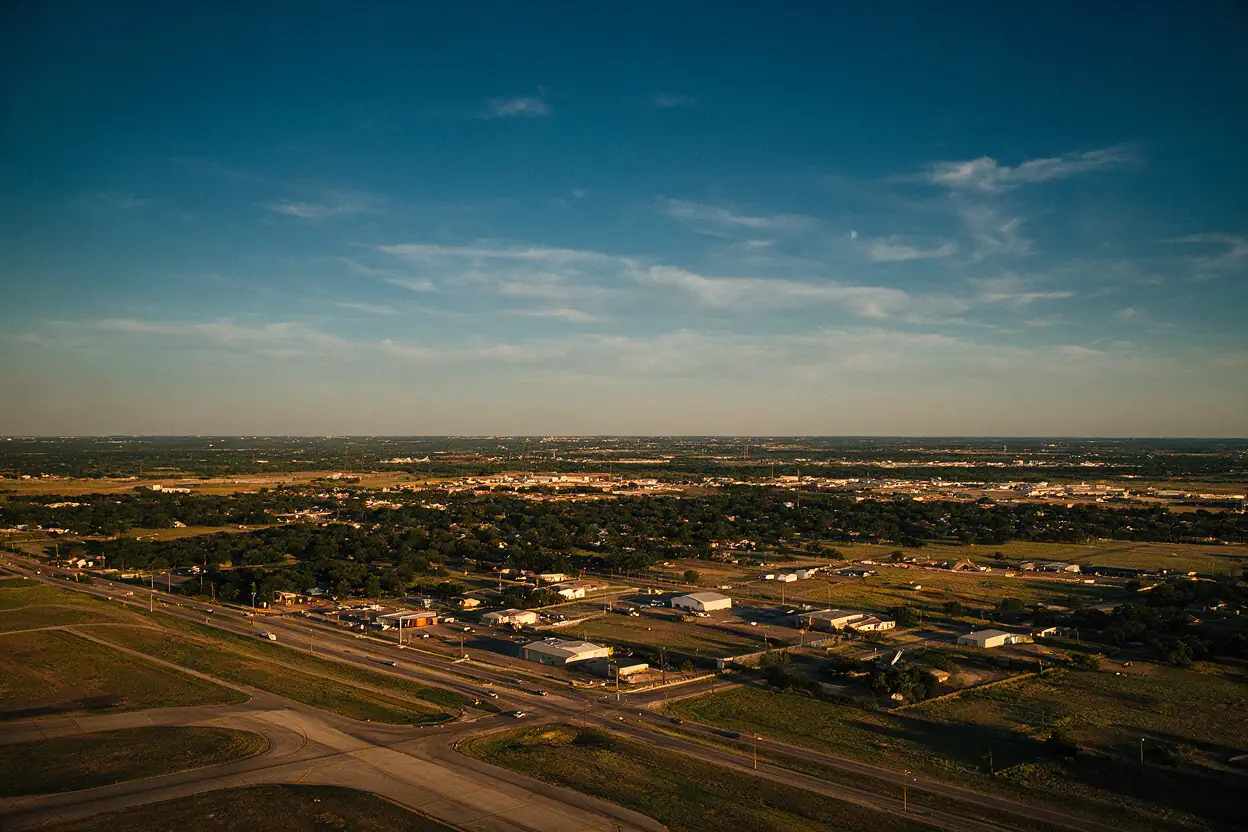
Texas lists both drug and alcohol rehab centers at every level of care, from medical detox and residential programs to outpatient and telehealth services.
Rehabs and addiction treatment centers in Texas offer a continuum of care that starts at 116 detox programs and reaches 359 outpatient services. Those listings also include 78 residential facilities, 42 hospital-based programs, 70 partial hospitalization programs, and 217 intensive outpatient programs. Because the count is a listing and not a guarantee, call ahead to each center to confirm the level of care, the substances it treats, and whether it accepts Medicaid or works with your insurance.

Recruiting studies listed for Texas
A study that is recruiting is one now taking participants; appearing in a registry is neither an endorsement nor an offer of treatment.
Eligibility rules, possible risks, and study details appear on the official record for each trial, not here. If you are considering a study, then read the official record and discuss it with a clinician before contacting the research site. The table below lists the studies, and the decision stays with you and your family.
| Registry search | Location | Recruiting studies |
|---|---|---|
| substance use disorder | Texas | 37 |
| opioid use disorder | Texas | 9 |
| Study | Sponsor | Record updated |
|---|---|---|
| A Study of Brenipatide in Participants With Alcohol Use Disorder | Eli Lilly and Company | 2026-11-04 |
| A Study of Brenipatide in Participants With Opioid Use Disorder | Eli Lilly and Company | 2026-11-04 |
| Evaluation of the Safety and Effects of Psychoactive Substances in People With Past Opioid Use | Christopher D. Verrico | 2026-11-04 |
| Infusion of Lidocaine and Steroids in Middle Meningeal Artery for Pain in Subarachnoid… | The University of Texas Medical Branch, Galveston | 2026-11-03 |
| Randomized Controlled Trial of Tirzepatide for Methamphetamine Use Disorder | University of Texas Southwestern Medical Center | 2026-10-26 |
| A Study of Cebranopadol for Opioid Withdrawal Symptoms in Adults With Chronic Pain | Adneuris Therapeutics, Inc. | 2026-10-23 |

How Texas overdose deaths trend
Trailing 12-month overdose deaths Texas now total 4,372, down 6 percent from 4,640 a year earlier. Opioid deaths decreased 10 percent to 1,830, and fentanyl deaths fell 15 percent to 1,281. Heroin deaths dropped 20 percent to 193, and prescription opioid deaths declined 5 percent to 446. If you have been putting off a call while you waited for the trend to change, then the current numbers still leave more than 4,300 families a year facing the same crisis.
Meth and cocaine deaths remain the steadiest part of the Texas picture, at 1,809 and 1,388 respectively. Meth deaths dropped 10 percent while cocaine deaths held flat at a change of zero. Texas has 140 programs that offer alcohol medications, and many centers list dual diagnosis care.
- past year
- 4,372
- the 12 months before
- 4,640
Overdose deaths by drug in Texas
Fentanyl accounts for 1,281 of the state's overdose deaths, and opioids as a whole account for 1,830. Prescription opioids account for 446 of those deaths, while heroin accounts for 193. Those figures are from the CDC NCHS 12-month provisional count ending May 2026. A clinician or the program can explain what withdrawal and detox involve. Stimulant deaths outnumber prescription opioid deaths in Texas, with meth at 1,809 and cocaine at 1,388. Cocaine deaths were unchanged over the year. Ask each rehab center what care it provides and whether it offers counseling for stimulant use. Texas lists 214 buprenorphine programs and 69 methadone programs for opioid use disorder.
| Drug | Past year | Prior year | Shift |
|---|---|---|---|
| Every drug overdose type | 4,372 | 4,640 | -6% |
| Any opioid | 1,830 | 2,035 | -10% |
| Fentanyl and synthetic opioids | 1,281 | 1,512 | -15% |
| Heroin | 193 | 240 | -20% |
| Prescribed opioid painkillers | 446 | 470 | -5% |
| Methamphetamine | 1,809 | 2,008 | -10% |
| Cocaine | 1,388 | 1,392 | 0% |

Understanding the figures
Even with the decline, 4,372 deaths in 12 months is a reason to compare treatment options carefully rather than wait. Practical steps rank ahead of statistics. Texas lists 339 sites with naloxone programs; ask a pharmacy or local program about naloxone. Texas lists 307 telehealth programs and 217 intensive outpatient programs.
Drinking and mental health in Texas
Adult percentages across 1,744 communities in Texas, per CDC PLACES data (2023).
| Adults with | Texas |
|---|---|
| Binge drinking | 17.0% |
| Frequent emotional strain | 17.3% |
| Low mood | 21.5% |
| People who smoke | 12.7% |
| Lacking coverage (ages 18-64) | 20.6% |
Binge drinking by city in Texas
| Location | Binge drinking | Frequent emotional strain | Lacking coverage (ages 18-64) |
|---|---|---|---|
| Austin | 20.0% | 16.9% | 15.1% |
| Corpus Christi | 18.3% | 16.8% | 24.3% |
| Conroe | 17.8% | 17.6% | 19.4% |
| Lubbock | 17.6% | 18.5% | 18.4% |
| Dallas | 17.4% | 17.8% | 22.7% |
| Amarillo | 17.1% | 18.4% | 19.4% |
| Fort Worth | 16.9% | 18.5% | 20.0% |
| Houston | 16.7% | 17.1% | 24.0% |
| El Paso | 16.5% | 17.2% | 27.9% |
| Laredo | 16.2% | 17.3% | 35.7% |
| San Antonio | 16.0% | 17.2% | 24.5% |
| Beaumont | 14.4% | 18.9% | 17.6% |
Quick FAQ
How many overdose deaths does Texas have now?
Overdose deaths Texas reached 4,372 in the 12 months ending May 2026, down 6 percent from 4,640 a year earlier, according to CDC NCHS provisional counts. Opioid deaths made up 1,830 of the total, and fentanyl made up 1,281. The same federal listing shows 409 facilities in Texas as of November 15, 2026. Because provisional numbers can be revised, treat the trend as a direction rather than a final count.
Does Texas Medicaid pay for inpatient rehab?
Texas Medicaid can cover some inpatient and outpatient substance use treatment, but coverage depends on the program and the person's eligibility. Ask each rehab center directly whether it accepts Medicaid and which levels of care it covers; the SAMHSA listing is a directory, not a coverage promise. Call your plan or 2-1-1 Texas for benefit questions. For people with private insurance, calling the number on the card is the fastest way to check in-network programs.
What is the most common drug people go to rehab for?
The CDC NCHS count for the 12 months ending May 2026 lists 1,830 opioid deaths and 446 prescription opioid deaths alongside stimulant figures of 1,809 for meth and 1,388 for cocaine. SAMHSA-listed programs in Texas include 140 that offer alcohol medications, and 214 offer buprenorphine. Ask a center which substances it treats before you enroll.
Does Texas have free rehab programs?
Some Texas programs offer sliding-scale fees, Medicaid billing, or state-funded slots, but free care is limited and varies by county. The SAMHSA FindTreatment.gov listing shows 409 facilities as of November 15, 2026, including 359 outpatient and 78 residential programs, and each record notes payment options. Call 2-1-1 Texas for state-funded options, and ask each center what it charges before an assessment. The helpline on this page can also point you toward lower-cost programs.
What should I ask a Texas rehab center before enrolling?
Ask about the center's license, how it handles withdrawal, and what payment it accepts. Confirm the level of care and whether it treats the substance involved. The SAMHSA listing is a directory, not an endorsement, so call the center directly with these questions before you visit.
Compare Texas programs by numbers
The overdose figures describe a state, not a person, and the right next step depends on the substance involved, the level of care needed, and what insurance or Medicaid will cover. The helpline on this site can help you sort listings and ask the right questions. Before you enroll anywhere, confirm the program's license, its withdrawal protocols, and its payment terms in writing.