Partial hospitalization program Texas
A partial hospitalization program provides organized daytime treatment for those who need more than a weekly appointment. In Texas, 70 SAMHSA-listed facilities offer care at this level. This guide covers who it suits and how to weigh one center against another.
- programs in Texas
- 70
- take Medicaid
- 36
- take commercial insurance
- 69
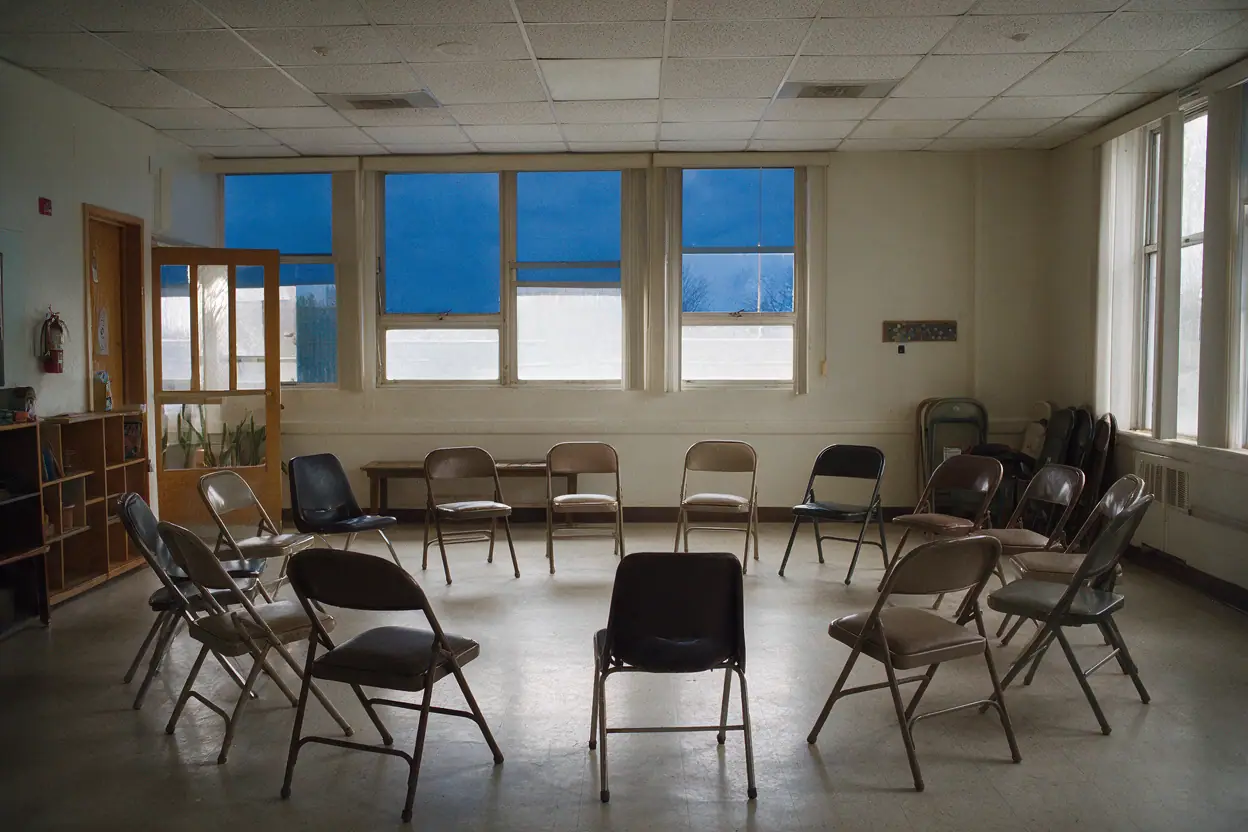
A partial hospitalization program Texas families consider is typically a daytime schedule of several hours, several days a week, with the person sleeping at home or in sober living.
Someone with a mental health condition combined with a substance use disorder may meet a prescriber on a regular schedule and join groups about cravings and stress. Home evenings are built into the plan, so having a stable place to return to counts as much as the daytime schedule.
Comparing PHP programs
Confirm the level of care
Ask how many hours a week the program runs and whether it is licensed as partial hospitalization or intensive outpatient. The two are often confused, and the hours and cost differ. If the program cannot state its licensed level clearly, then keep looking, because insurance reviews depend on that distinction.
Check the intake assessment
Most programs do an assessment by phone or in person before scheduling. Bring insurance details, a list of medications, and any recent discharge papers.
Ask about medical coverage
Suppose your loved one has just quit heavy drinking or opioid use. Find out how the daytime program manages withdrawal. Certain centers arrange detox before PHP begins.
Review the schedule and cost
A written schedule and a cost estimate in advance help you plan rides, work, and child care. Ask what happens if insurance denies part of the stay. If insurance denies part of the stay, then you will want to know the appeal process and the out-of-pocket cost before the first day.

Who a PHP fits
- Among the 70 listed PHP programs in Texas, 53 provide dual diagnosis care, meaning the two conditions are treated together instead of apart.
- Families seeking Spanish-language services, offered at 13 of the 70 listed programs, or telehealth options, offered at 51. If you live far from a PHP center, then telehealth may let some sessions happen from home, but confirm which parts are allowed remotely.


PHP centers in Texas and what they take
Of 409 SAMHSA-listed facilities in Texas, 70 offer partial hospitalization, and 51 of those also offer telehealth for some sessions. That makes PHP one of the smaller levels by count compared with intensive outpatient care at 217 facilities, so families often travel or widen their search across a metro area. Programs cluster around larger cities, so Houston and Dallas families may have more choices within a short drive; rural families may need to plan for travel or ask about telehealth.
Cost is the next thing to narrow down. Of the 70 PHP providers, 69 take private insurance, 36 take Medicaid, 26 take Medicare, and 15 have a sliding fee. Since Texas has not adopted Medicaid expansion, many adults with no dependent children do not qualify for Medicaid here; confirm eligibility before you build a plan around it. The best source for confirming what a center accepts is its own listing, and calling the program can answer questions about a particular plan.
- take Medicaid
- 36
- pay with private coverage
- 69
- take Medicare
- 26
- have a sliding scale
- 15
| Name | Location | Offers | Accepts |
|---|---|---|---|
| Life Point Healthcare Servs of TX LLC | Dallas | PHP, IOP, Outpatient | Medicaid, Medicare, Insurance, Sliding fee |
| Serenity Foundation of Texas | Abilene | Detox, Residential, PHP, IOP, Outpatient | Medicaid, Insurance, Sliding fee |
| Positive Recovery LLC | Houston | PHP, IOP, Outpatient | Medicaid, Medicare, Insurance |
| Serenity Light | Angleton | Detox, Residential, PHP, IOP, Outpatient | Insurance |
| Greenhouse Outpatient Center | Arlington | PHP, IOP, Outpatient | Insurance |
| Positive Recovery Services | Austin | PHP, IOP, Outpatient | Medicaid, Medicare, Insurance |
| Self Recovery | Austin | PHP, IOP, Outpatient | Sliding fee |
| Stonegate Center | Azle | Detox, Residential, PHP, IOP, Outpatient | Insurance |
| Warriors Heart Texas | Bandera | Detox, Residential, PHP, IOP, Outpatient | Medicaid, Insurance |
| CAN Behavioral Health | Baytown | PHP, IOP, Outpatient | Insurance, Sliding fee |
Paying for a PHP
Most of the 70 listed PHP programs in Texas take private insurance, and 69 of the 70 do. Medicaid acceptance is narrower at 36, and 26 take Medicare. If you are paying yourself, ask about the 15 programs with sliding fees and whether a payment plan is available. Coverage depends on your specific plan and medical necessity review, so confirm benefits with the insurer and the program before the first day rather than assuming a quoted level of care is covered.
Quick FAQ
How many Texas centers offer a partial hospitalization program?
There are 70 SAMHSA-listed facilities in Texas that offer partial hospitalization, out of 409 listed statewide. Of those 70, 51 also offer telehealth, 53 offer dual diagnosis care, and 13 offer Spanish-language services. The listings change as programs open and close, so confirm the current level of care directly with a center before you plan around it. A quick call to the program is usually the fastest way to verify.
Does Texas Medicaid pay for a partial hospitalization program?
Among the 70 listed PHP providers in Texas, 36 accept Medicaid. Whether your specific plan pays depends on eligibility and on medical necessity review. Texas has not adopted Medicaid expansion, which limits coverage for many adults without dependent children. If you are unsure about eligibility, then ask the state Medicaid program or the center's intake staff before scheduling. Get any coverage confirmation in writing.
What is the difference between PHP and intensive outpatient care?
Texas has 70 listed PHP providers and 217 intensive outpatient providers. When comparing programs, then ask each one how many hours it runs so you compare the actual schedules, not just the labels.
What is the typical duration of a partial hospitalization program?
Duration depends on the program and on how the person responds, and there is no universal figure for Texas. For a clear exit plan, ask the center how it decides when a person moves down to intensive outpatient or standard outpatient care. Request that in writing when possible.
Can a teen attend a partial hospitalization program in Texas?
Some of the 70 listed PHP providers serve adolescents, though the listings do not give an age breakdown. Teen programs usually run during school hours or after school and involve family sessions. When you call, then ask specifically about adolescent groups, age limits, and whether the program coordinates with the school. Adult programs will not take a teen, so this question matters early.
Partial hospitalization program Texas
When your family is comparing daytime treatment with residential care, begin with the figures: 70 listed PHP providers, 69 accepting private insurance, 36 accepting Medicaid. Our referral line answers at all hours, and we can help you narrow options by location, payment, and intensity of care. On the call, you can ask about the 15 programs offering sliding fees and the 51 providing telehealth. A single call, with no pressure to decide.